A Comprehensive Summary of Architectural Designs and Their Impact on Modern City Planning and Development
Architectural designs have long served as a mirror to the societal values and technological improvements of their time, playing an important function in shaping modern city preparation and growth. From the magnificence of Neoclassicism to the utilitarian approach of Brutalism, each design has presented special ideas that influence metropolitan appearances and capability.
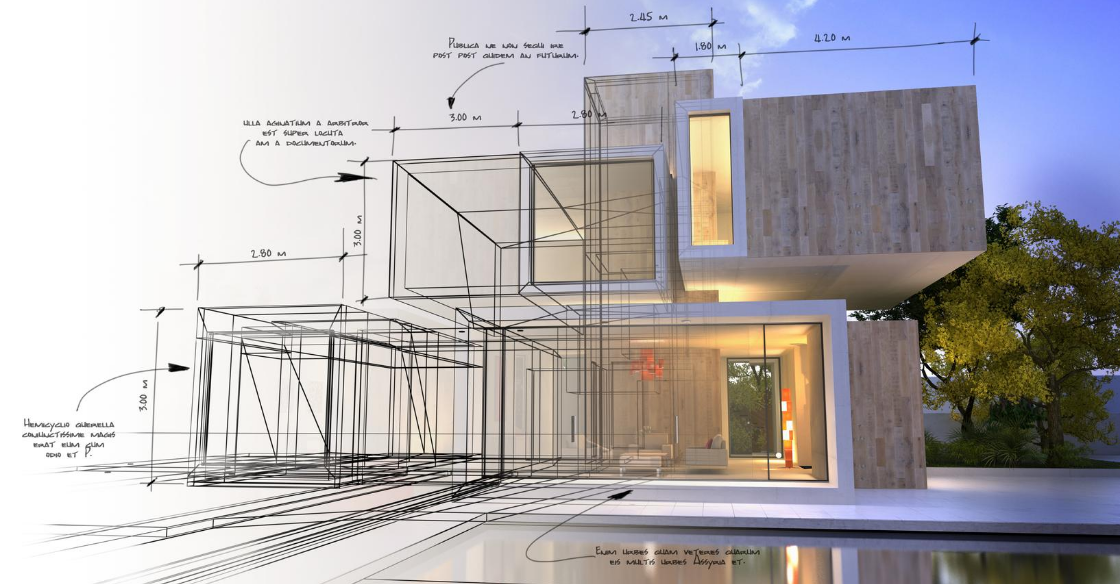
Historical Introduction of Building Styles
Throughout history, building styles have actually developed in reaction to cultural, technical, and environmental variables. Each period reflects the dominating worths, beliefs, and developments of its time, bring about an abundant tapestry of style that represents human creativity and adjustment. The ancient civilizations, such as the Egyptians and Greeks, established foundational designs that highlighted symmetry and percentage, serving both practical and aesthetic objectives.
As cultures transitioned with the Center Ages, Gothic design emerged, characterized by its verticality and intricate outlining, mirroring the spiritual desires of the age. The Renaissance noted a rebirth of classic ideals, combining art and architecture in cutting-edge ways that affected subsequent styles across Europe.
The Industrial Change introduced brand-new materials and building and construction methods, prompting activities like Modernism, which challenged traditional types and welcomed simplicity and capability. The 20th century saw a diversification of designs, with Postmodernism responding against the plain minimalism of its precursor, integrating historic references and eclectic aspects.
Today, architectural designs proceed to develop, driven by globalization and sustainability problems, reflecting a dynamic interplay in between heritage and innovation (cda architects). This historical overview underscores the significance of architecture as a mirror of societal development and as a driver for metropolitan development
Key Architectural Styles Explained
The diversity of architectural designs reflects the myriad impacts that form our built setting, each personifying distinct characteristics and social significances. Key architectural designs consist of Classical, Gothic, Baroque, Modernism, and Postmodernism, each representing unique historical contexts and aesthetic approaches.
Classical architecture, rooted in old Greece and Rome, highlights proportion, proportion, and using columns. In comparison, Gothic style, growing in the Center Ages, is defined by sharp arcs, ribbed vaults, and flying buttresses, producing an aerial high quality in sanctuaries. Baroque style, emerging in the 17th century, is noted by majesty, fancy decoration, and a vibrant interplay of light and shadow.
Innovation, which obtained energy in the early 20th century, prioritizes function over kind, utilizing brand-new materials like steel and glass to develop minimalist frameworks. Postmodernism, reacting versus the austerity of Innovation, accepts eclecticism and historical recommendation, typically incorporating lively elements and paradox.
Understanding these designs provides insight right into the cultural narratives and technological innovations of their respective ages, highlighting just how architecture offers not just as a sanctuary, but as a representation of social values and goals.
Influence On Urban Preparation
In shaping the growth of cities, architectural styles substantially affect urban preparation decisions. The option of building design often dictates the visual appeals, functionality, and general personality of city settings. cda architects. For example, modernism, with its emphasis on minimalism and capability, encourages open spaces and the combination of innovation, forming city formats that focus on effectiveness and access. Conversely, conventional styles may emphasize historical conservation, resulting in city styles that maintain cultural heritage and promote pedestrian-friendly atmospheres.
Additionally, architectural styles can influence zoning laws and land make use of policies. Urban planners have to think about the prevailing architectural patterns when developing districts, guaranteeing that brand-new developments balance with existing frameworks. This consideration cultivates cohesive metropolitan landscapes and boosts area identity.
The execution of certain architectural designs can likewise influence socioeconomic variables within a city. High-end modern layouts may draw in wealthy residents and organizations, leading to gentrification, while a lot more inexpensive housing remedies might prioritize useful look at this site and lasting designs to fit varied populaces. Inevitably, the interplay between architectural designs and city he said preparation creates dynamic cities that show both historical context and contemporary demands, shaping the lived experiences of their residents.
Sustainability and Modern Design
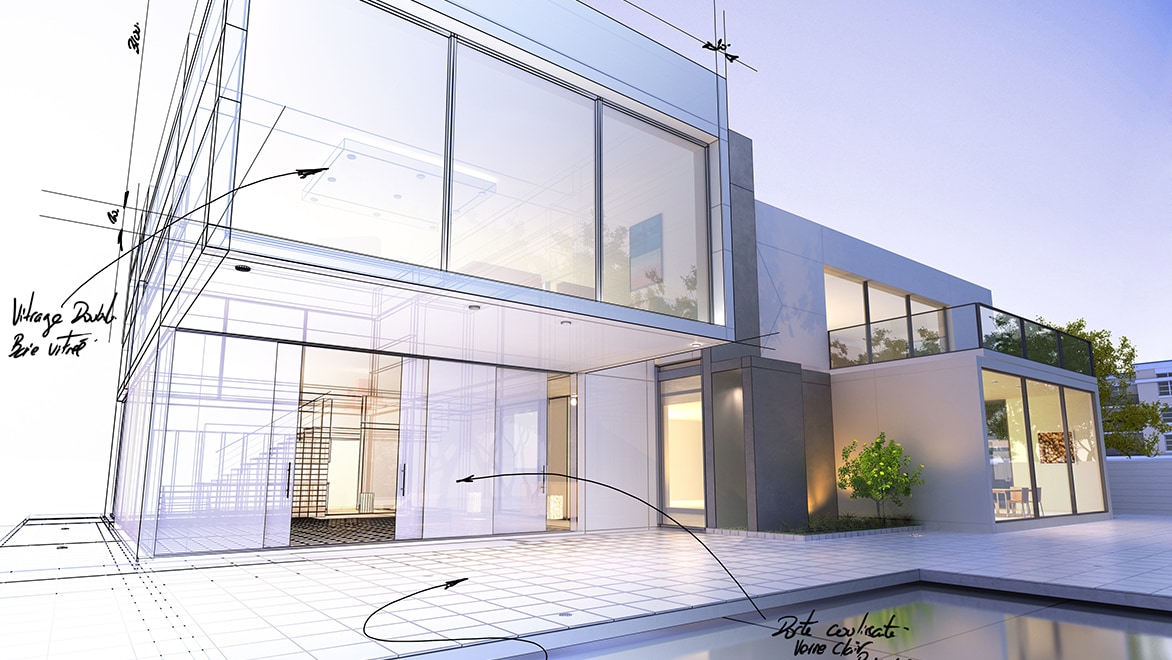
Contemporary building movements, such as biophilic style and green design, advocate for structures that balance with their environments, using all-natural products and promoting biodiversity. These designs commonly incorporate renewable energy resources, such as solar panels and wind generators, to minimize reliance on nonrenewable fuel sources and reduced carbon footprints.
In addition, the assimilation of innovative modern technologies, such as wise building systems, enhances energy monitoring, maximizing resource usage while making sure owner convenience. Ingenious water administration approaches, including rainwater harvesting and greywater recycling, more add to lasting urban environments.
Especially, sustainability extends past environmental problems; it encompasses social and financial measurements as well. By fostering neighborhood wellness and advertising inclusivity, contemporary building designs align with sustainable development goals. As a result, the development of architectural methods remains to shape durable cities that not only satisfy the requirements of today however also safeguard the future for generations to come.
Neighborhood Interaction in Layout
Area involvement in style functions as a crucial bridge in between designers and the click here to read populations they offer, making certain that the developed atmosphere reflects the demands and ambitions of its individuals. This collective process welcomes neighborhood members to add their insights and choices, cultivating a feeling of ownership and responsibility towards the spaces they live in.
Efficient community involvement uses different methods, such as workshops, studies, and public discussion forums, to gather varied perspectives. These strategies facilitate a two-way discussion, allowing engineers to understand neighborhood contexts while empowering homeowners to voice their issues and wishes. This inclusivity not only boosts the design high quality however additionally advertises social equity by resolving the special obstacles dealt with by marginalized groups.
Moreover, community involvement can lead to innovative remedies that may not arise in a conventional design process. By integrating neighborhood understanding and social worths, architects can develop areas that resonate more deeply with users, enhancing functionality and sustainability. Eventually, prioritizing area involvement in style procedures causes environments that support social communications, support wellness, and reinforce community ties, thus playing an essential function in forming contemporary city landscapes.
Final Thought
Architectural designs have actually exceptionally affected modern-day city planning and development, mirroring advancing cultural and technological contexts. As cities proceed to grow and adjust, the continuous dialogue in between building heritage and modern layout principles will continue to be vital in creating comprehensive, vivid areas that boost high quality of life and promote social equity.